 Bening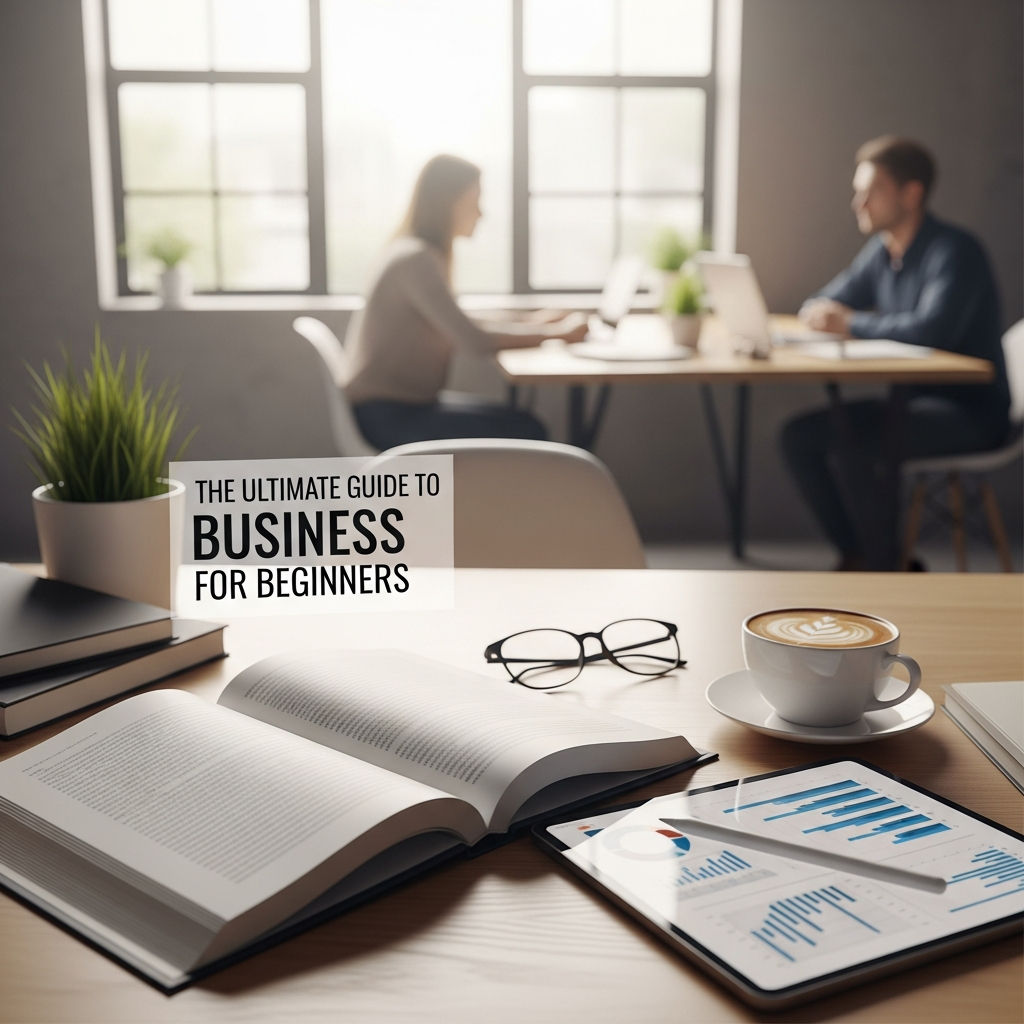
The Ultimate Guide to Business for Beginners
Dreaming of being your own boss? Want to turn a passion into profit or solve a problem with a game-changing solution? Starting a business can feel daunting, a vast ocean of ideas, regulations, and financial hurdles. But every successful entrepreneur started exactly where you are now: with an idea and a desire to make it happen. This ultimate guide is designed specifically for beginners, breaking down the essential steps to launch, manage, and grow your first business with confidence.
From validating your groundbreaking idea to mastering the art of sales, we’ll walk you through the journey, demystifying the process and equipping you with the foundational knowledge you need. Let’s embark on your entrepreneurial adventure!
Laying the Foundation: The Idea & Market Research
Every great business begins with a compelling idea. But not all ideas are created equal. For beginners, the key is to find an idea that aligns with your strengths, passions, and a real market need.
From Passion to Profit: Finding Your Business Idea
Start by brainstorming. What problems do you see in the world? What skills do you possess that others might value? What are your hobbies and interests? Often, the most successful businesses are born from personal frustrations or a deep understanding of a specific niche. Don’t aim for perfection; aim for potential. Consider a product or service that:
- Solves a genuine problem for a specific group of people.
- Fills a gap in the existing market.
- Offers a unique twist or superior value compared to competitors.
- Aligns with your expertise or something you’re willing to learn deeply.
Validating Your Idea: Market Research
Once you have a few ideas, it’s crucial to validate them. This means conducting market research to understand your potential customers and competitors. Don’t fall in love with your idea until the market does!
- Identify Your Target Audience: Who will buy your product or service? What are their demographics, psychographics, needs, and pain points? Create a customer persona.
- Assess Demand: Is there a genuine need or desire for what you’re offering? Would people pay for it?
- Analyze Competitors: Who else is in this space? What are they doing well? Where are their weaknesses? How can you differentiate yourself?
- SWOT Analysis: Evaluate your idea’s Strengths, Weaknesses, Opportunities, and Threats.
Tools for market research include online surveys (SurveyMonkey, Google Forms), competitor analysis tools, social media listening, and direct interviews with potential customers. This step is non-negotiable for any aspiring entrepreneur.
Building Your Blueprint: The Business Plan
Think of a business plan as your roadmap. While it doesn’t need to be a 50-page tome, a well-structured plan is invaluable, especially for beginners. It helps clarify your vision, identify potential challenges, and outline your strategies. It’s also essential if you ever need to secure funding.
Why You Need a Business Plan (Even a Simple One)
A business plan forces you to think critically about every aspect of your venture. It provides clarity, helps you prioritize tasks, and acts as a living document to guide your decisions as your business evolves.
Key Components of a Business Plan:
- Executive Summary: A brief overview of your entire plan, highlighting your business concept, mission, and key objectives.
- Company Description: Details about your business, including its mission, vision, values, and what makes it unique.
- Market Analysis: Your research on the industry, target market, and competition.
- Organization & Management: Your business structure (e.g., sole proprietorship, LLC) and the team members involved (even if it’s just you).
- Service or Product Line: A detailed description of what you’re selling, its features, benefits, and lifecycle.
- Marketing & Sales Strategy: How you plan to reach your target customers, promote your offerings, and generate sales.
- Funding Request (if applicable): If seeking investment, detail how much you need and how you’ll use it.
- Financial Projections: Forecasts for your revenue, expenses, and profitability for the next 3-5 years.
The Legal & Financial Launchpad
Once your idea is validated and your plan is taking shape, it’s time to handle the practicalities of setting up your business legally and financially.
Choosing Your Business Structure
This decision impacts your liability, taxes, and administrative burden. Common structures for beginners include:
- Sole Proprietorship: Simple, easy to set up, but offers no personal liability protection. Your personal and business assets are intertwined.
- Partnership: Similar to a sole proprietorship but with two or more owners. Shared profits, shared liability.
- Limited Liability Company (LLC): Offers personal liability protection (separates your assets from the business’s) while providing tax flexibility. A popular choice for small businesses.
- Corporation (S-Corp, C-Corp): More complex to set up and maintain but offers robust liability protection and can be attractive for raising capital.
Consult with an attorney or accountant to choose the best structure for your specific needs.
Understanding Business Registrations & Licenses
You’ll likely need to register your business name (DBA – “Doing Business As”), obtain an Employer Identification Number (EIN) from the IRS (even if you don’t plan to hire employees immediately, it’s often needed for banking), and secure various federal, state, and local licenses and permits specific to your industry and location.
Funding Your Dream: Startup Capital
How will you finance your business? Options include:
- Self-Funding (Bootstrapping): Using your personal savings. This is common for many beginners.
- Friends & Family: Loans or investments from your personal network.
- Small Business Loans: From banks or credit unions, often requiring a solid business plan and collateral.
- Grants: Non-repayable funds, often industry-specific or for certain demographics (can be competitive).
- Crowdfunding: Raising small amounts of money from many individuals through platforms like Kickstarter or Indiegogo.
Crucially, open a separate bank account for your business from day one. This simplifies accounting, tax preparation, and presents a professional image.
Bringing Your Product/Service to Life
With the groundwork laid, it’s time to develop what you’re selling.

Developing Your Product or Service
Focus on creating a Minimum Viable Product (MVP) – a version of your product with just enough features to satisfy early customers and provide feedback for future development. This allows you to launch faster, test the market, and iterate based on real-world input.
Setting Up Operations
This involves establishing the processes and systems needed to deliver your product or service. This could include:
- Finding suppliers for materials.
- Setting up inventory management (if applicable).
- Establishing your service delivery process.
- Choosing essential tools and software (e.g., website builder, accounting software, communication platforms).
- Even if you’re a solo entrepreneur, define your “departments” and responsibilities.
Marketing & Sales: Getting the Word Out
You can have the best product in the world, but if no one knows about it, you won’t make sales. Marketing and sales are the engines of your business.
Crafting Your Brand Identity
Your brand is more than just a logo; it’s the personality and promise of your business. Define your:
- Brand Name: Memorable and relevant.
- Logo: Visually represents your brand.
- Mission & Values: What you stand for and why you exist.
- Brand Voice: How you communicate with your audience.
Consistency across all touchpoints builds trust and recognition.
Essential Marketing Strategies for Beginners
- Build a Professional Online Presence: A website is your digital storefront. Use social media platforms where your target audience hangs out.
- Content Marketing: Create valuable blog posts, videos, or guides that educate and attract your target audience.
- Search Engine Optimization (SEO): Optimize your website and content to rank higher in search engine results.
- Email Marketing: Build an email list to nurture leads and promote offers.
- Networking: Attend industry events, join local business groups, and build relationships.
The Art of Selling
Selling is about understanding your customer’s needs and demonstrating how your product or service provides the best solution. Focus on building relationships, trust, and providing excellent value, rather than just pushing a product.
Managing & Growing Your Business
Launching is just the beginning. Sustainable success requires ongoing management and a commitment to growth.
Financial Management Beyond Startup
Regularly monitor your finances. Learn basic bookkeeping, understand your profit and loss statements, and track your cash flow. Be diligent about separating business and personal expenses and prepare for tax obligations.
Customer Service: Your Secret Weapon
Exceptional customer service can differentiate you from competitors. Listen to feedback, resolve issues promptly, and strive to create loyal customers who will become your best advocates.
Adapting and Innovating
The business world is constantly changing. Stay informed about industry trends, watch your competitors, and be prepared to adapt your offerings. Continuous learning and a willingness to innovate are crucial for long-term success and scalability.
The Entrepreneurial Mindset: Key to Success
Beyond the practical steps, your mindset as a beginner entrepreneur is paramount. Cultivate resilience, embrace problem-solving, and view failures as learning opportunities. Seek out mentors, join supportive communities, and never stop learning. Time management, self-discipline, and a healthy work-life balance will be your allies on this exciting journey.
Conclusion: Your Entrepreneurial Journey Begins Now
Starting a business for beginners is a challenging yet incredibly rewarding endeavor. You now have a comprehensive roadmap, covering everything from idea generation and market research to legal setup, marketing, and ongoing growth strategies. Remember, every major corporation started as a small idea. Take it one step at a time, celebrate small victories, and don’t be afraid to seek help when you need it.
The world is waiting for your unique contribution. Are you ready to take the first step? Your entrepreneurial journey begins now!



/cdn.vox-cdn.com/uploads/chorus_image/image/62335350/millennial_turkey.1542295610.jpg "Turkish Snacks to Search for in a Turkish Grocery store in San Francisco")